
Fall Lawn Care in Bucks County:
What Your Lawn Needs Before Winter
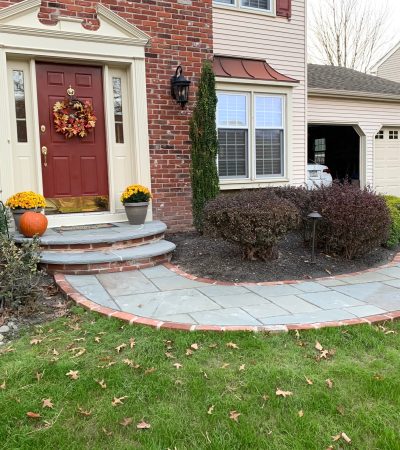
Fall is the most important season for Bucks County lawn care, since cooler temperatures and consistent rainfall create ideal conditions for aeration, overseeding, and fertilization. At Kellett’s Landscaping, we recommend scheduling these services between September and October to strengthen roots, prevent disease, and set your lawn up for a lush spring green-up.
Your lawn works hard all summer to survive Bucks County’s heat and humidity. By the time fall arrives, it needs help recovering, and the choices you make over the next couple of months will determine how your grass looks next spring. At Kellett’s Landscaping, we treat fall as the most important season on the turf care calendar, not an afterthought before winter sets in.
Proper fall preparation does more than tidy up your yard. It builds thicker turf, stronger root systems, and better resistance to the diseases and weeds that would otherwise take hold while your grass is stressed. Below, we walk through what your lawn needs this fall and how our team approaches each step.
Why Does Fall Matter So Much for Bucks County Lawns?
Bucks County sits in a transitional climate zone where cool season grasses like Kentucky bluegrass, tall fescue, and perennial ryegrass are the norm. These grass types thrive in cooler weather, which makes fall their natural growing season rather than a time to wind down.
As temperatures swing between warm days and cold nights, your lawn experiences real stress. This fluctuation weakens grass blades and roots, leaving them vulnerable to problems that would barely register in the summer, including brown patch, dollar spot, and red thread. Insects like grubs are also still active in early fall, feeding on roots before the ground cools for good.
Because of these local conditions, a generic lawn care routine will not cut it. Your lawn needs a strategy built specifically around Bucks County’s climate and grass types, which is exactly why we approach fall care as its own distinct phase of turf management.
How Do Aeration and Overseeding Prepare Your Lawn for Winter?
Compacted soil is one of the biggest obstacles to a healthy lawn, and most homeowners never realize it is happening. Foot traffic, mowing, and heavy rain all pack soil down over the course of a season, blocking air, water, and nutrients from reaching the roots where your grass needs them most.
Our aeration services puncture small holes throughout your soil, relieving that compaction and opening a direct path for air, water, and nutrients to reach the root zone. The result is a stronger, more resilient lawn heading into winter.
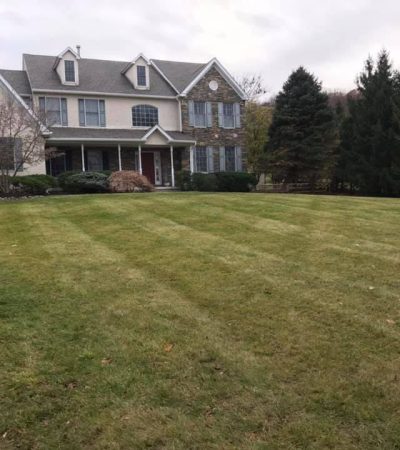
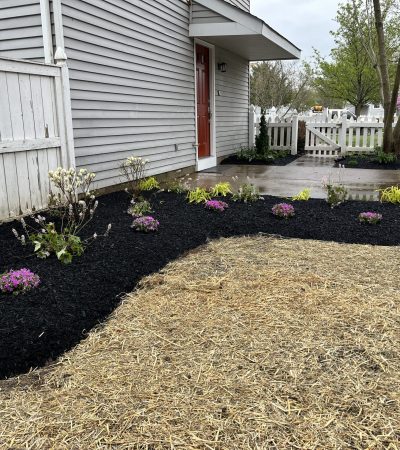
Aeration works best when paired with overseeding, and fall is the ideal window for both. We expertly sow new seed into your existing lawn to fill in bare or thinning patches, ensuring even distribution and strong germination. For Bucks County properties, the sweet spot for aeration and overseeding falls between September and October, when soil is still warm from summer but air temperatures are cool enough to support strong root development.
What Does Fall Fertilization Do for Your Lawn?
Fertilizer is not a one size fits all product, and the blend your lawn needs in October looks nothing like what it needed in April. Our early fall application combines a slow release granular fertilizer with post emergent weed control, and this is also the ideal time to adjust soil pH with a lime application if your lawn needs it.
As the season moves toward late fall, we switch to a liquid winter fertilizer. This application sends nutrients directly to the root system, building strong roots that carry your lawn through winter dormancy and into a vibrant spring green-up. Lawns that receive this late season feeding handle next year’s summer heat and wear far better than those that go into winter without it.
How Do You Protect Your Lawn from Fall Diseases and Pests?
Fall disease pressure is real in Bucks County, especially as humidity lingers into September while nights grow cooler. Our team identifies lawn diseases quickly and treats them using a combination of cultural practices and fungicides, stopping the spread before it damages large sections of turf.
Pests deserve the same attention. We use environmentally friendly pest management practices, including regular inspections and targeted treatments, to protect your lawn without putting your family or pets at risk. Addressing disease and pest issues now, before winter stress sets in, prevents small problems from turning into major repairs come spring.
What's the Best Way to Control Weeds Before Winter?
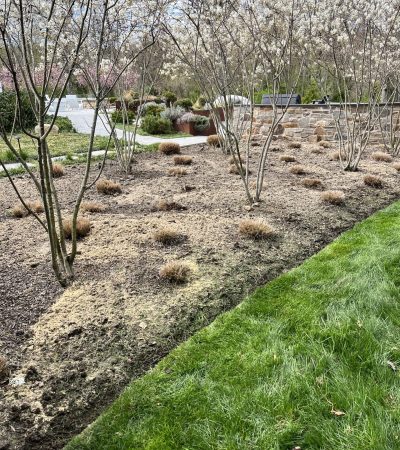
Weeds do not take a season off just because temperatures drop. Our weed control service targets existing weeds while laying the groundwork to prevent new ones from establishing. Pre-emergent treatments applied in fall create a barrier that stops many spring weeds, including crabgrass, before they ever germinate.
Timing matters here as much as the product itself. We apply these treatments at the point in the season when they will have the greatest effect, so your lawn enters winter clean and stays that way as temperatures rise again.
How Do We Build a Fall Maintenance Plan for Your Lawn?
No two lawns in Bucks County face the exact same conditions. Soil type, sun exposure, grass variety, and how your property is used all shape what your lawn needs this fall. We start by assessing these factors directly on your property, then build a maintenance plan around what we find.
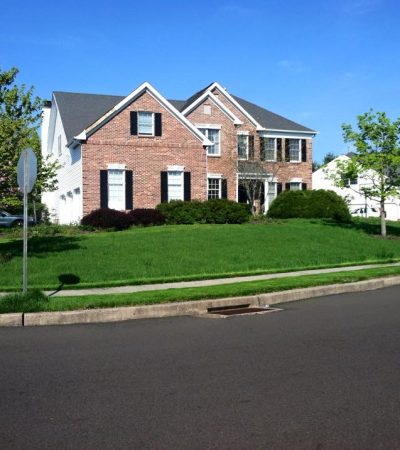
Our turfcare experts use the latest industry techniques and cutting edge equipment to execute that plan, from aeration and overseeding to fertilization, disease prevention, and weed control. The goal is simple: rich, emerald hued grass that holds up through winter and comes back strong in spring.

Get Your Lawn Ready Before Winter Arrives
Fall lawn care is an investment that pays off months later, when your neighbors are still waiting for their grass to recover and yours is already green. Skipping these steps does not just mean a slower spring, it often means dealing with winter kill, thin patches, or disease damage that could have been prevented.
Kellett’s Landscaping has helped Bucks County homeowners prepare their lawns for winter for years, and we would like to do the same for you. Contact us today to schedule your fall lawn assessment before the season’s window closes.
Frequently Asked Questions
When should I schedule aeration and overseeding in Bucks County?
The ideal window runs from September through October, when soil is still warm enough to support germination but air temperatures have cooled enough to reduce stress on new grass.
How much does fall lawn care typically cost?
Costs vary based on lawn size, current condition, and which services your property needs, such as aeration, overseeing, fertilization, or disease treatment. We provide a personalized quote after assessing your lawn in person.
Will fall fertilization really make a difference by spring?
Yes. Late fall liquid fertilizer sends nutrients directly to the root system, building stronger roots that support faster, healthier green-up once temperatures rise again.
What happens if I skip fall lawn care altogether?
Lawns that skip fall treatment are more vulnerable to winter kill, disease, and thin or bare patches, and they typically take longer to recover in spring compared to lawns that received fall care.
Can Kellett's Landscaping handle both disease treatment and routine fall maintenance?
Yes. Our team manages aeration, overseeding, fertilization, weed control, and disease and pest management as part of one coordinated fall maintenance plan, so you do not need to juggle multiple providers.